The One Time Out of Hundred
On October 4, 2021, a serious incident occurred at Larnaca International Airport involving the misfuelling of a Cirrus SR22 aircraft. This piston-engine aircraft, which requires AVGAS 100LL fuel, was mistakenly refuelled with Jet A1 fuel. The incident was reported to the Cyprus Aircraft Accident and Incident Investigation Board (AAIIB) by a maintenance organization based at the airport. The investigation revealed a series of procedural lapses and miscommunications that led to the error, highlighting the need for stricter adherence to aviation safety protocols.
The incident began when the aircraft’s captain verbally requested refuelling from the handling agent. The handling agent, in turn, verbally passed on the request to the refuelling company without specifying the type of fuel required. This lack of clarity proved to be a critical error, as the refuelling company assumed the request was for Jet A1 fuel, which is the most commonly requested fuel type at the airport, and the only type of fuel provided by this company. Piston-engine aircraft, like the SR22 are rare clients, and the assumption was made without verifying the aircraft’s specific fuel requirements.
When the refueller arrived to refuel the aircraft, he noticed discrepancies that should have raised immediate red flags. The aircraft’s fuel tank inlet was marked with a placard indicating AVGAS 100LL but, although the refueller claimed the placard was in poor condition and unreadable, photographic evidence later showed the placard to be in good condition and clearly legible. Additionally, the refuelling nozzle was larger than the aircraft’s fuel tank port, making it incompatible. Despite these obvious signs, the refueller began the process of refuelling, engaging the fuel delivery pump. At this point, noticing the refueller holding the nozzle above the tank inlet, the captain intervened. The fuel truck meter indicated that six litres of fuel had been delivered, prompting the captain to raise concerns that incorrect fuel had been delivered to his aircraft.
“99 times out of hundred, refuelling requests are for JET A1 fuel, as piston-engined aircraft are very rare clients”
The refueller insisted that no fuel had entered the tank, explaining that the six-litre reading was due to hose expansion after the pump was activated. However, subsequent analysis of the defuelled fuel sample revealed that approximately 10% of the mixture was Jet A1 fuel, confirming the pilot’s claim that a small amount of the incorrect fuel had indeed entered the aircraft’s tank. This posed a significant risk to the aircraft’s engine performance, as Jet A1 fuel is not compatible with piston engines, and could lead to engine power loss during operation.
Following the incident, the aircraft was towed to a maintenance facility where the affected fuel tank and lines were drained. The aircraft was then refuelled with AVGAS 100LL, and a 30-minute ground run was conducted to ensure no residual Jet A1 fuel remained in the system. The handling agent reported the incident to the airport operator, who granted permission for the aircraft to be moved to the maintenance facility. Neither the handling agent, the refuelling company, nor the airport operator filed an obligatory report to the AAIIB as mandated.
The investigation uncovered several procedural failures that contributed to the incident. The handling agent accepted the captain’s verbal request for fuel without obtaining written confirmation specifying the aircraft type and fuel grade. Similarly, the refuelling company accepted the verbal request from the handling agent without verifying the aircraft’s fuel requirements. The refueller failed to follow standard procedures, such as checking the fuel placard, conducting a fuel sample test, and ensuring the compatibility of the refuelling nozzle with the aircraft’s tank inlet. These oversights were compounded by the refueler’s attempt to deny responsibility for the misfuelling, which could have led to catastrophic consequences.
The refuelling company conducted an internal investigation, identifying several factors that led to the unsafe condition. These included the lack of a written fuel request, the assumption that the aircraft required Jet A1 fuel, and the absence of a clearly marked AVGAS placard on the aircraft. The investigation also highlighted deficiencies in the refueller’s training records, which lacked details about instructors, training outcomes, and retraining dates for courses with expiration periods.
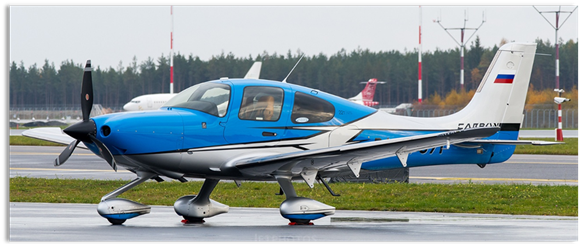
Aircraft Cirrus SR22
To prevent similar incidents in the future, the refuelling company implemented both short-term and long-term corrective actions. In the short term, all personnel at Larnaca and Paphos airports were informed of the incident and reminded to exercise caution when handling ad hoc refuelling requests for general aviation aircraft. Written fuel requests specifying the aircraft type, and fuel grade, were made mandatory. Additionally, pilots requesting fuel not approved for their aircraft were required to obtain management permission to activate special procedures. Long-term measures included issuing a circular to handlers and agents mandating written fuel orders, and investigating ways to eliminate the meter slip that occurs during overwing refuelling.
The AAIIB’s analysis emphasized the importance of adhering to established refuelling procedures and maintaining clear communication between all parties involved. The handling agent’s failure to obtain a written fuel request and the refuelling company’s acceptance of a verbal order were identified as key factors in the incident. The refueller’s actions, including his attempt to refuel despite the incompatible nozzle and his failure to conduct a fuel sample test, were deemed unacceptable. The investigation also criticized the refueller’s attitude in denying responsibility, and the lack of proper reporting by the airport operator, handling agent, and refuelling company.
The incident serves as a stark reminder of the potential consequences of procedural lapses in aviation operations. Misfuelling can lead to engine failure, posing serious risks to aircraft safety. The AAIIB recommended that refuelling requests be accepted only in writing, with clear specifications of the aircraft type, registration, fuel grade, and quantity. Refuelling companies were urged to ensure their staff strictly follow procedures, including conducting fuel sample checks. Pilots were advised to verify the fuel’s compatibility with their aircraft before refuelling begins.
In conclusion, the misfuelling of the Cirrus SR22 at Larnaca International Airport highlighted the need for stricter adherence to aviation safety protocols and better communication between pilots, handling agents, and refuelling companies. The incident could have had catastrophic consequences, but timely intervention and corrective actions prevented further harm. The lessons learned from this case underscore the importance of vigilance, accountability, and procedural compliance in ensuring the safety of aviation operations.
Read the whole AAIIB report here:
http://www.aaiib.gov.cy/mcw/DCA/AAIIB/aaiib.nsf/All/9EE2ACF4E67E1C1CC2258C120046021C?OpenDocument